How Predictive Analytics Reshape Game Selection Patterns in Multi-Platform Digital Betting Networks
Written by Willa Meier · Sep 17, 2026
How Predictive Analytics Reshape Game Selection Patterns in Multi-Platform Digital Betting Networks
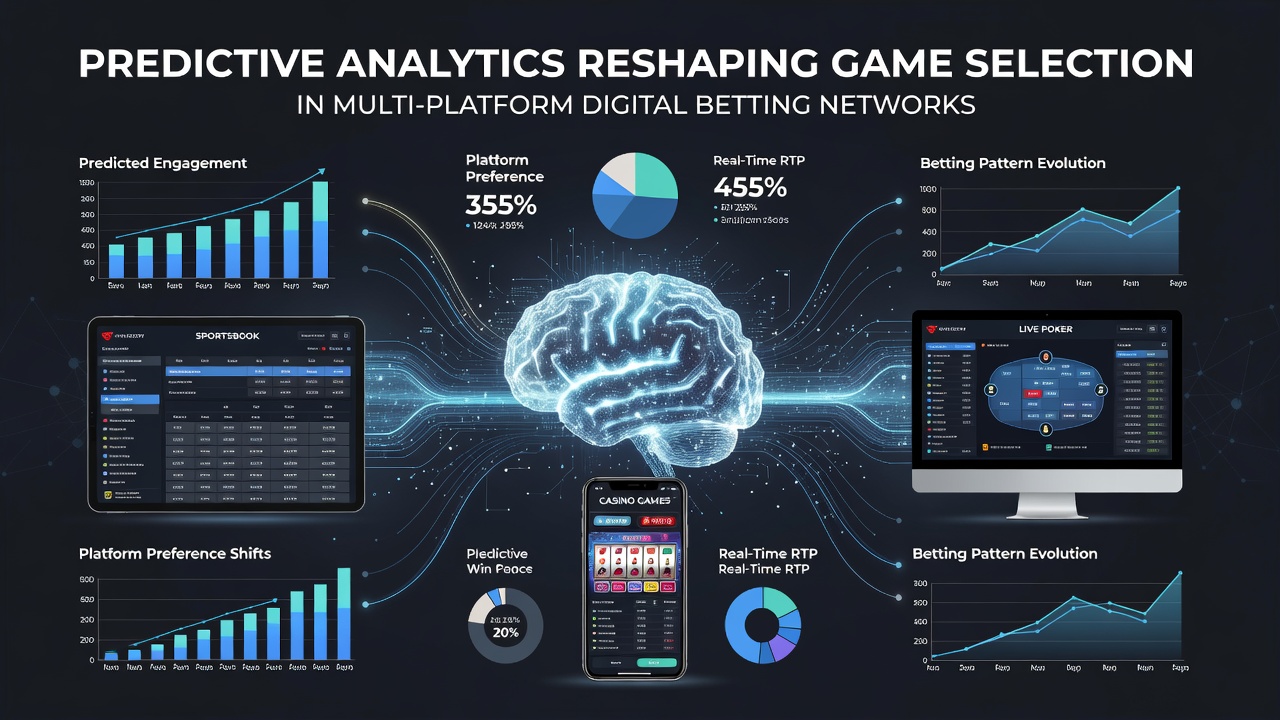
Data collection systems in multi-platform digital betting networks gather user behavior metrics from mobile apps, desktop interfaces, and tablet sessions, then feed those inputs into machine learning models that forecast which titles will attract engagement at specific times. Researchers at institutions tracking iGaming trends note that these models process variables such as session duration, deposit frequency, and past game categories to generate individualized recommendations that appear within seconds of login.
Platforms operating across multiple jurisdictions report that predictive outputs influence roughly 65 percent of initial game selections in any given week, according to aggregated figures released by the Nevada Gaming Control Board. The algorithms prioritize titles with similar volatility profiles or thematic elements to previously played games, which reduces the time users spend browsing menus and increases the likelihood of sustained play within the first five minutes.
Data Inputs Driving Recommendation Engines
Every interaction on a betting network leaves a trail that includes device type, time of day, geographic location, and payment method, and analysts combine these signals with broader market data such as regional sporting events or seasonal promotions. When a user switches from a mobile slot session to a desktop table game, the system records the transition and adjusts future suggestions accordingly, creating a feedback loop that refines accuracy over successive logins.
Studies conducted by academic teams at the University of Nevada, Las Vegas, have examined how these inputs correlate with selection shifts, revealing that users exposed to personalized lists explore an average of 2.3 additional game categories per month compared with those navigating unassisted menus. The models also account for external factors like jackpot size fluctuations and provider updates, so a sudden increase in a progressive slot’s prize pool can trigger immediate elevation in its ranking for relevant player segments.
Platform-Specific Pattern Changes
Multi-platform networks observe distinct selection behaviors depending on the access point, with mobile sessions favoring shorter-duration games while desktop logins show higher engagement with strategy-heavy options. Predictive tools detect these preferences early and surface matching content, which in turn alters the overall distribution of play across the network’s catalog. Observers note that once a model identifies a user’s preference for quick-win mechanics on phones, it begins deprioritizing longer sessions even when the same account later appears on a tablet.
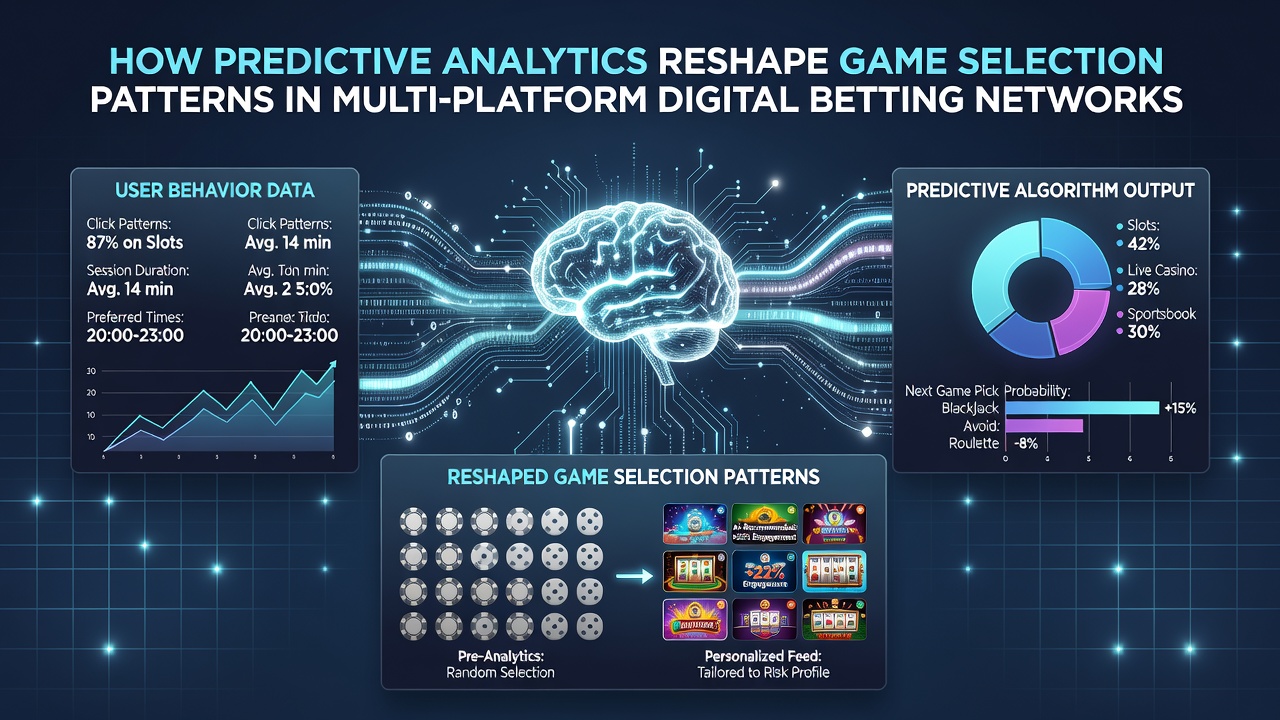
Operators in Canada and Australia have documented similar cross-device effects, where recommendations calibrated on one platform carry over to another within the same account ecosystem. This continuity reduces friction for users who alternate devices yet maintains consistent exposure to predicted favorites, leading to measurable concentration around a narrower set of titles rather than broad exploration of the full library.
Regulatory and Operational Responses
Regulatory bodies in multiple regions require operators to maintain transparency logs that show how recommendation algorithms weight certain variables, and this oversight has prompted some networks to implement audit trails that record every model adjustment. In September 2026, the iGaming Ontario authority updated its reporting standards to include quarterly summaries of how predictive systems affect player choice distribution, providing regulators with clearer visibility into selection concentration trends.
Industry groups such as the American Gaming Association have compiled case studies demonstrating that networks using refined analytics experience more stable revenue streams because the models help balance player exposure across high- and low-volatility options. These reports also highlight that responsible gaming features can be integrated directly into the recommendation layer, so users who reach predefined session limits receive prompts toward lower-intensity titles instead of continued high-engagement suggestions.
Conclusion
Predictive analytics continue to influence how players navigate game libraries across connected platforms, with data flows shaping both immediate choices and longer-term habits. As networks expand device coverage and regulatory frameworks evolve, the mechanisms that match users to specific titles will likely incorporate additional signals while remaining subject to oversight that tracks their impact on overall selection patterns.